Stretching from the Arctic Circle to the Baltic Sea, Northern Europe is one of the cruise industry’s most dynamic and diverse regions. Its mix of iconic capitals, remote coastal communities and spectacular natural landscapes provides itinerary planners with ample opportunities to create compelling voyages across multiple seasons.
Beyond Northern Europe’s headline attractions are a growing number of under-the-radar locations. “Northern Europe offers an extraordinary diversity of destinations, from iconic capitals and fjords to places that are highly regarded locally but less familiar to international travellers,” says Marialuisa Iaccarino, vice president of shore excursions at MSC Cruises.
“Visby is a medieval town on the island of Gotland in Sweden that’s well known within the region but less familiar to many visitors from outside Northern Europe, while Klaipėda in Lithuania is a charming city renowned for its maritime heritage, rich cultural traditions and beautiful natural surroundings.”
Itinerary planners are incorporating these lesser-known destinations into ship deployments to meet growing demand for experiences that encourage deeper engagement with local cultures. “Our new Scandinavian itineraries, which launch in 2027, offer distinctive cultural, historical and natural experiences,” says Wendy Atkin-Smith, managing director of Viking UK. “By combining well-known cities with emerging destinations, we can offer guests a deeper understanding of the region while introducing them to places they may not otherwise have considered visiting.”
Selecting the right mix of destinations is only one part of the itinerary planning equation. Northern Europe’s port network and infrastructure provide operators with significant flexibility when designing itineraries. The proximity of ports to city centres allows operators to offer guests convenient access to destinations. “Many European cities have docking locations that are exclusively accessible to smaller ships; they are central and walkable for guests, and many transits in and out of port are along rivers and canals – it’s a great combination of factors,” says Jess Peterson, director of itinerary planning and destination experience at Windstar Cruises. “A few examples include London’s Tower Bridge in the UK, Cork’s city centre docking location in Ireland, Caen in Normandy, and the Seine River transit up to Rouen in France. One initiative we recently launched is our RiverOcean voyages, which highlight the fact that we are a river cruising company. We time river transits for when guests are awake and, once we reach the destination city, we often stay for multiple days.”
Windstar Cruises’ river-to-ocean cruises travel along rivers such as the River Thames in London, UK, before continuing out to sea (Photo: Windstar Cruises)
When planning expedition itineraries in Northern Europe, HX Expeditions looks for “accessibility and cultural depth” as well as the opportunity for “authentic exploration beyond traditional cruising”, explains Lasse Roebers, head of expedition product at HX Expeditions. “A key part is, of course, the flexibility of the itinerary in the destination. Whilst we have fixed dates and ports in the itinerary, we also have an element of flexibility to react to local conditions, wildlife sighting opportunities or, in winter, the possibility of seeing the Northern Lights. We also differentiate ourselves from traditional cruise operators by cruising in the off season. This allows for a more diverse nature experience, with golden trees and red leaves in southern Scandinavia and potentially the first snowfall in the Gulf of Bothnia.”
As operators seek to create deeper connections between guests and destinations, shore experiences are becoming an increasingly important component of itinerary design. Viking is seeing increased demand for shore experiences offering “an authentic insight into local culture and everyday life”; as such, the cruise line has curated its ‘local life’ shore excursions. “Our ‘local life’ experiences are one of the three key excursion pillars shaping Viking itineraries worldwide,” says Atkin-Smith. “On our newer Scandinavian voyages, guests can join traditional fishing trips in the Åland archipelago alongside local fishermen, take part in a Scandinavian cooking class at a local restaurant, visit the historic village of Kristianopel in Karlskrona for a glimpse into traditional Swedish life, or explore Gotland’s countryside with a visit to a local farm. We’ve also developed longer itineraries, such as our 22-day ‘Icons of the Viking Age’ voyage, to enable guests to spend longer exploring a region and engaging more deeply with its culture and heritage.”
Many destinations in Northern Europe are facing growing scrutiny over the impact of cruise tourism and high visitor numbers, especially during the peak summer season. These concerns are already influencing planning decisions across the region. “As destinations place greater emphasis on visitor management, sustainability and local priorities, we are working more closely with ports, tourism authorities and local stakeholders throughout our planning process,” says Iaccarino. “As every destination is unique, with different priorities, capacities and expectations, itinerary planning is not just about which destinations guests want to visit. It is increasingly about how tourism can be managed in a way that works for destinations, communities and visitors alike. Therefore, collaboration has become more important than ever to align itineraries with local priorities while delivering a high-quality guest experience.”
In response to growing tourism pressures, Norway is introducing a cruise passenger tax in 2027, with revenue expected to fund improvements to local infrastructure in municipalities experiencing high visitor numbers. This follows a similar tax in Iceland, introduced on 1 January 2025, which requires cruise lines to pay $18 per passenger, per 24-hour period spent within Icelandic waters, regardless of whether guests disembark.
“Community concerns should be listened to respectfully and solutions developed locally through dialogue among authorities, ports, tourism organisations, businesses, residents and the cruise industry,” says Francesco Di Palma, vice president of itinerary management and port and fleet captain at Explora Journeys. “Cruise tourism is carefully planned and predictable, with itineraries generally developed years in advance. This gives destinations the opportunity to coordinate schedules, prepare local services and manage visitor flows more effectively. The objective should be to create meaningful local value through shore experiences, transport, hospitality and participation by local businesses. Tourism that is socially accepted, environmentally responsible and economically valuable benefits residents, visitors and local businesses alike.”
While concerns around visitor numbers and community impact continue to dominate policy discussions across Northern Europe, many cruise operators see itinerary planning as part of the solution. Smaller ships, longer port stays and increased deployment during shoulder seasons can help spread visitor numbers more evenly and distribute economic benefits beyond peak summer months. According to Cruise Baltic’s 2026 Market Review, cruise calls from October to December 2025 increased by 33.2 per cent compared with 2024, rising from 184 to 245 calls. The number of December ‘Christmas cruises’ also grew from 47 to 63, while traffic in May and September highlighted “sustained demand” beyond the traditional summer season.
“Our European voyages currently operate in the shoulder seasons, such as spring and autumn, when many of the places we visit experience less tourism, helping to extend the season,” explains Roebers. “We also visit places that cannot be accessed by large ships, such as the UK’s Isles of Scilly, Harlingen in the Netherlands, Seville in Spain and Heligoland in Germany. Our ships Nansen, which carries fewer than 490 passengers, and Fram, which carries fewer than 200, can call at smaller and more remote places. Most importantly, we need to include local voices in the design of our itineraries. That means making connections early and asking what they would like to show us, rather than telling them what we want them to offer.”
Destination highlights
CFIP asks Northern European destinations about the outstanding experiences guests can discover on a journey around the region
Fraserburgh, Scotland
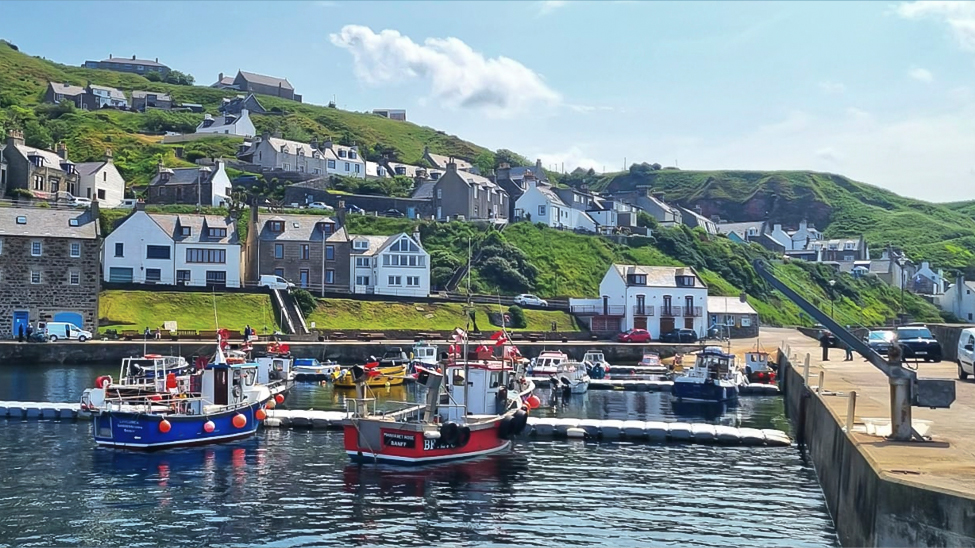
Callum Mitchell Digital Imagery
Fraserburgh and northern Aberdeenshire offer cruise passengers an authentic, unspoilt coastal experience, free from the crowds. Step onshore at one of Scotland’s leading fishing ports, then explore the Museum of Scottish Lighthouses, sandy beaches and picture-perfect coastal villages such as Pennan, Crovie and Gardenstown (pictured above). Historic castles, abundant wildlife, world-famous distilleries and Scotland’s freshest seafood are all within easy reach of this unforgettable destination in north-east Scotland.
Harlingen, Netherlands
Harlingen is a historic port where the Wadden Sea meets Dutch charm. Guests can step onshore into a lively waterfront, centuries-old streets, impressive warehouses and welcoming terraces, all within easy walking distance. The port offers opportunities for guests to explore maritime heritage, local flavours and surprising boutiques, or to head out to experience the Unesco-listed Wadden Sea. Authentic, atmospheric and refreshingly uncrowded, Harlingen offers cruise guests a memorable taste of Friesland, with the sea, city and countryside connected in one unforgettable compact destination.
Heligoland, Germany
Cruise guests can discover the magic of Heligoland on a captivating day trip. Admire the island’s colourful historic lobster shacks, known as Hummerbuden, then step into the bunker tunnels to discover its fascinating and turbulent history. Follow the scenic cliff-top path to the iconic Lange Anna, Heligoland’s landmark, while encountering seabirds that breed here and nowhere else in Germany. If time allows, visit the nearby Düne, home to Germany’s largest grey seal colony, for an unforgettable wildlife encounter.
Kristianopel, Sweden
Kristianopel is a charming former Danish town on Sweden’s southeast coast. Cruise visitors docking at the nearby Karlskrona port can visit the Renaissance village and walk along the remains of its historic town walls, explore picturesque wooden houses and enjoy the atmosphere of this beautifully preserved seaside village. Just a short journey from Karlskrona, Kristianopel offers cruise guests an authentic taste of Swedish history, coastal culture and local charm. It is ideal for guided tours, scenic excursions and memorable experiences beyond the port.
Association perspectives
Cruise Baltic, Cruise Europe and Cruise Norway share why Northern Europe is attracting more cruise guests than ever before
“What makes the Baltic particularly interesting is the variety you can offer within one itinerary. You have major cities and well-known cultural destinations but also a large number of smaller ports where guests can get very close to local communities, nature and experiences. We increasingly hear from cruise lines that they are looking for these smaller, less obvious destinations and places that can add something different to an itinerary. Combined with relatively short sailing distances between many destinations, that gives planners a lot of flexibility when building an itinerary in the Baltic Sea region.”
Klaus Bondam, Director, Cruise Baltic
“Our members offer world-class destinations combined with modern and efficient port infrastructure. We have very strong source markets in our region, with Germany and the UK as the frontrunners. We see a clear change in the seasonality – a broader season is a different kind of opportunity than summer growth. More calls in the shoulder months, and eventually deeper into winter, spread revenue across a longer calendar and reduce the concentrated infrastructure pressure of peak summer. The capacity being added to the Cruise Europe region has been matched by comprehensive port infrastructure investments in all of our regions. Outside Alaska, the Cruise Europe region is the frontrunner for shore power plug-ins for cruise ships, with around 20 of our member ports offering the capability. Some have even made connecting to shore power a licence to operate.”
Jens Skrede, Managing Director, Cruise Europe
“Norway offers dramatic natural landscapes, vibrant coastal communities, culture and history throughout all four seasons. Today, cruise lines can explore a diverse range of destinations along Norway’s extensive coastline, from urban experiences in Oslo to fjords, smaller coastal communities, Kirkenes and Svalbard. This diversity provides opportunities to develop varied itineraries, combining well-established destinations with lesser-known places and experiences. For Cruise Norway, it is equally important that cruise tourism benefits both visitors and local communities. Through collaboration across the cruise value chain, we work to protect nature, support emission reductions and create lasting value for coastal communities.”
Monica Berstad, Managing Director, Cruise Norway
Discover more insights like this in the 2027 issue of Cruise & Ferry Itinerary Planning. To get content like this on a regular basis, subscribe to the print editions or free digital editions of our Cruise & Ferry publications.